KEŞİF KAMPÜSÜ
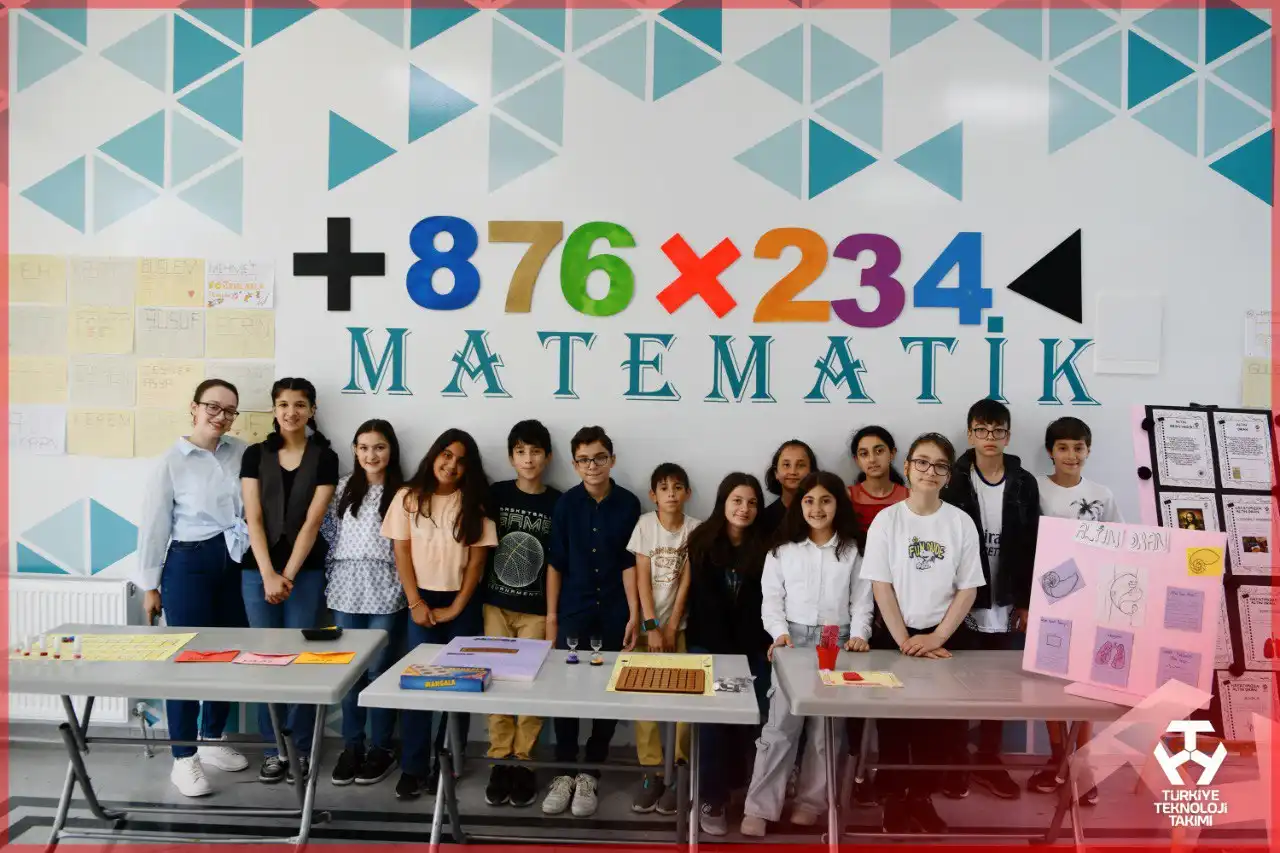
Keşif Kampüsü represents a campus that offers a unique education model by blending training on experimental setups in science centers with workshop education.
What is the Keşif Kampüsü?
Keşif Kampüsü is a distinctive educational model developed by the Turkish Technology Team Foundation (T3 Foundation) and designed with the “Children’s University” approach. By combining hands-on experiment setups found in science centers with practical workshop-based training, it offers children a holistic campus experience centered on exploration and learning.
Keşif Kampüsü brings together science, technology, and social development under one roof, aiming to help children acquire multifaceted thinking skills from an early age through a long-term, sustainable educational approach.
Purpose of the Keşif Kampüsü
The primary purpose of Keşif Kampüsü is to make science and technology a part of children’s daily lives, strengthen their sense of curiosity, and prepare them for the future as inquisitive and productive individuals.
In this context, Keşif Kampüsü is positioned as a children’s university model that supports not only academic development but also children’s social, emotional, and personal growth.
Trainings Offered at the Keşif Kampüsü
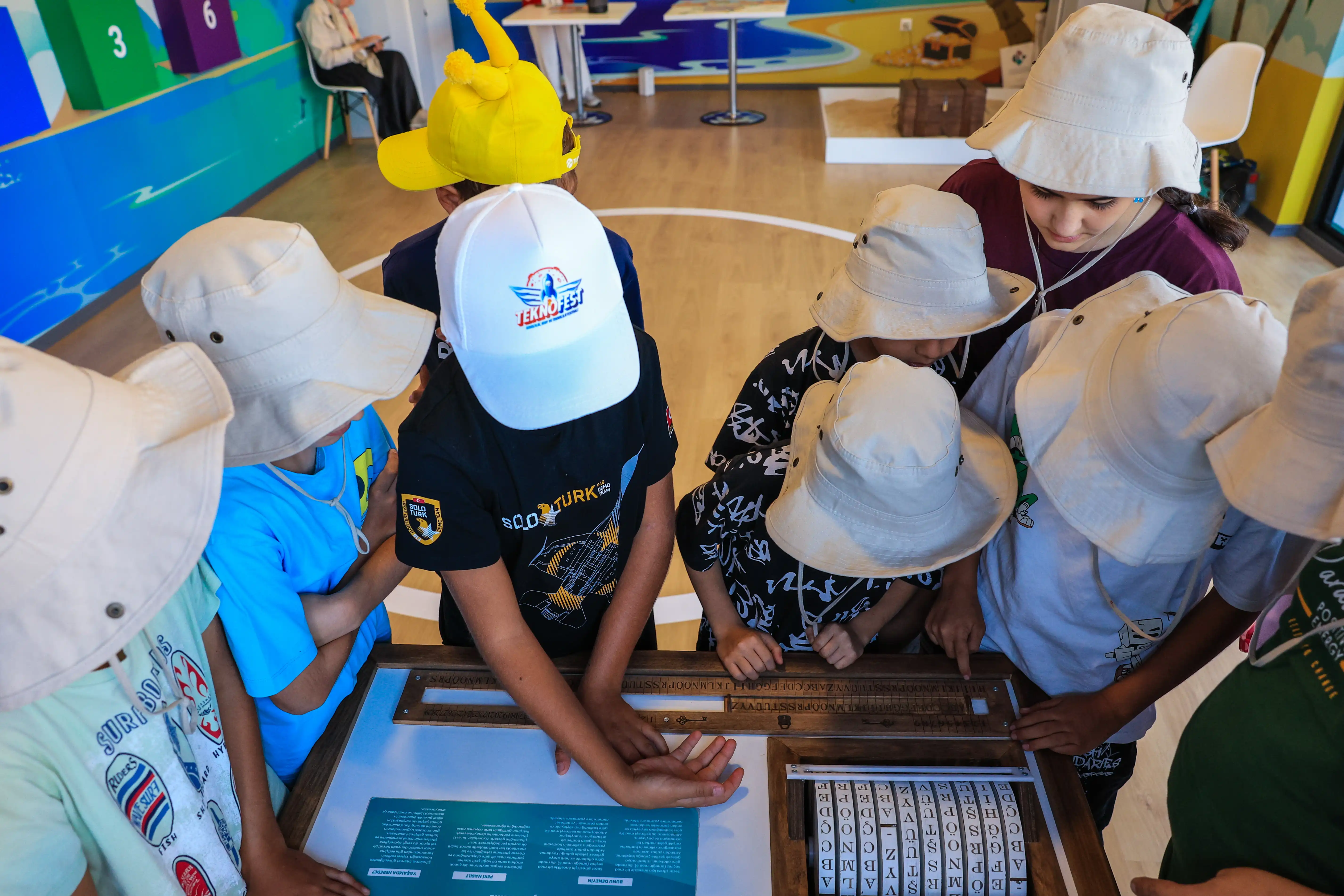
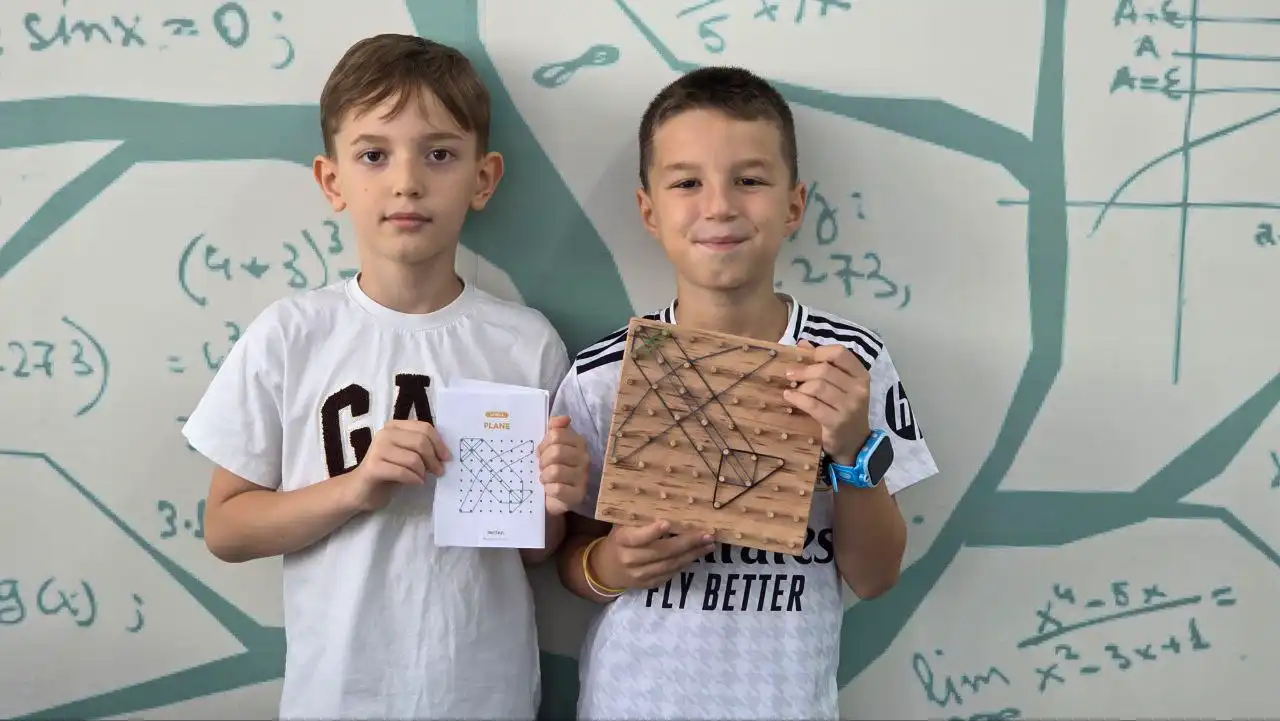
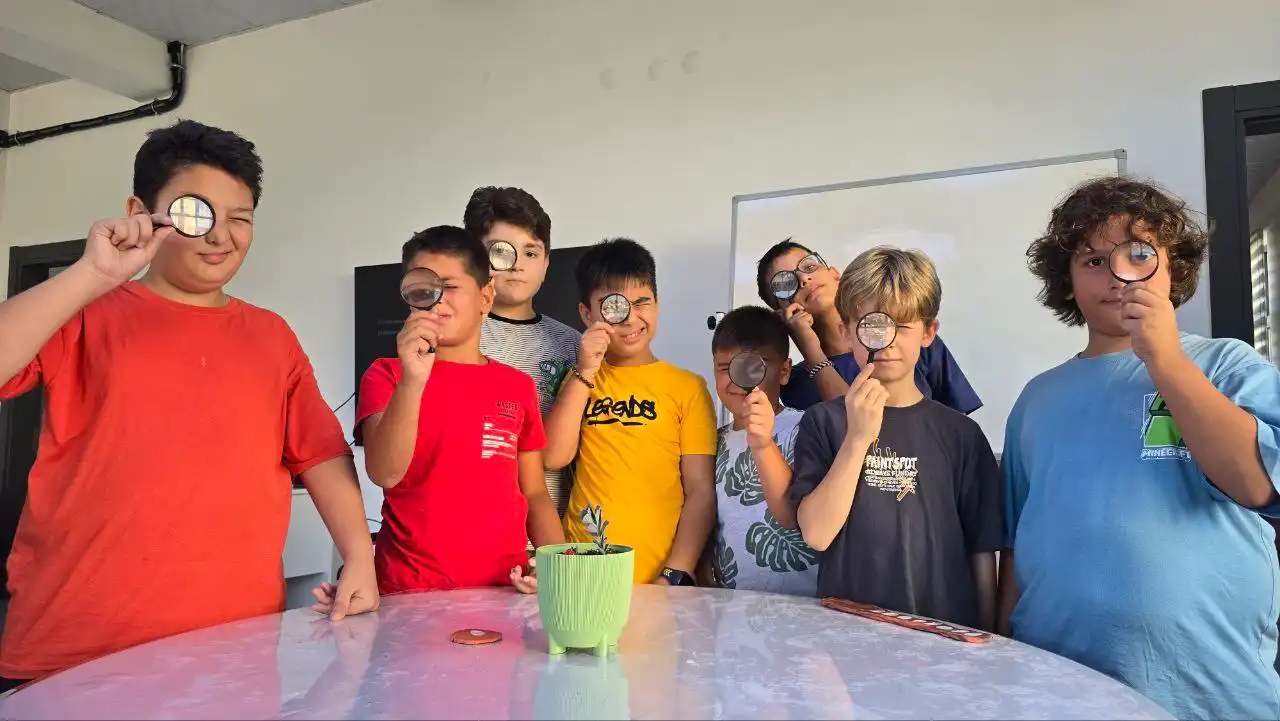
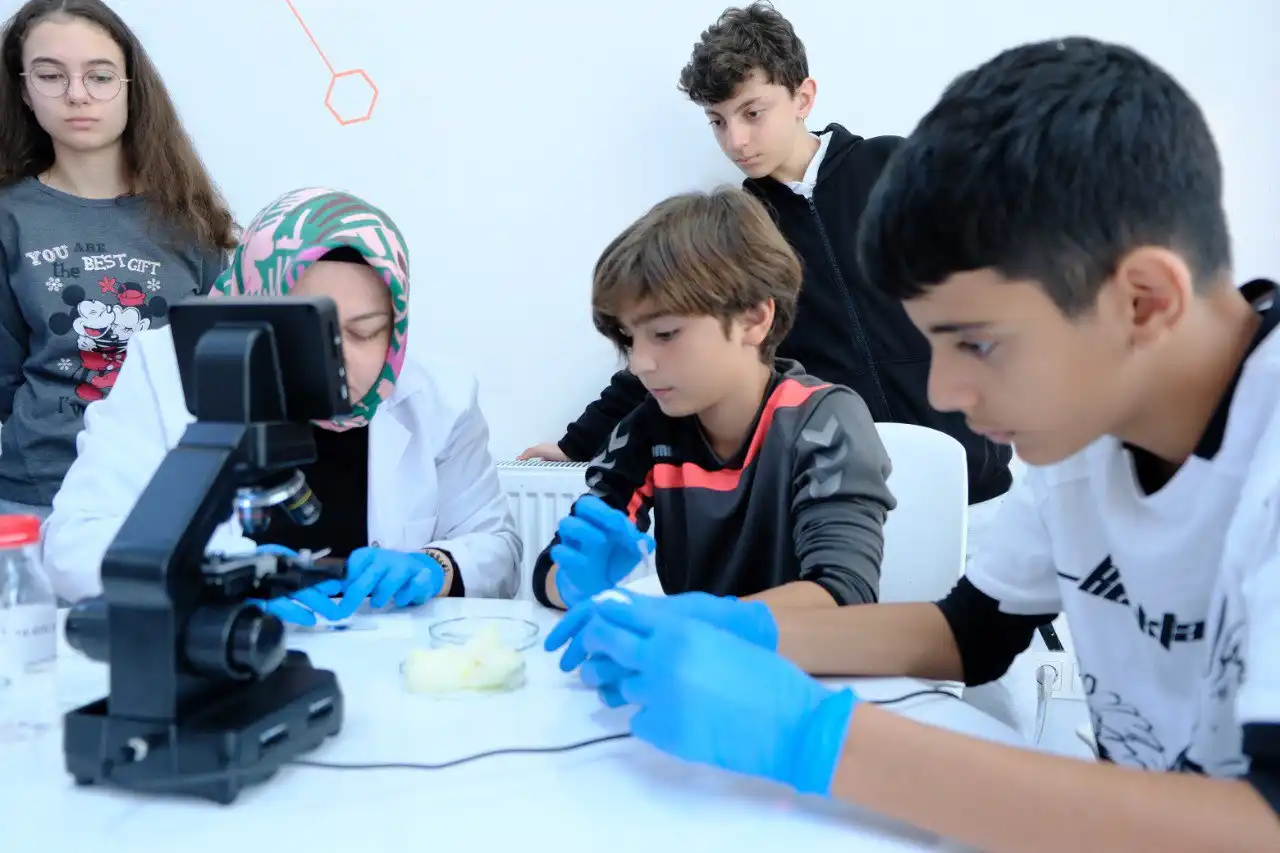
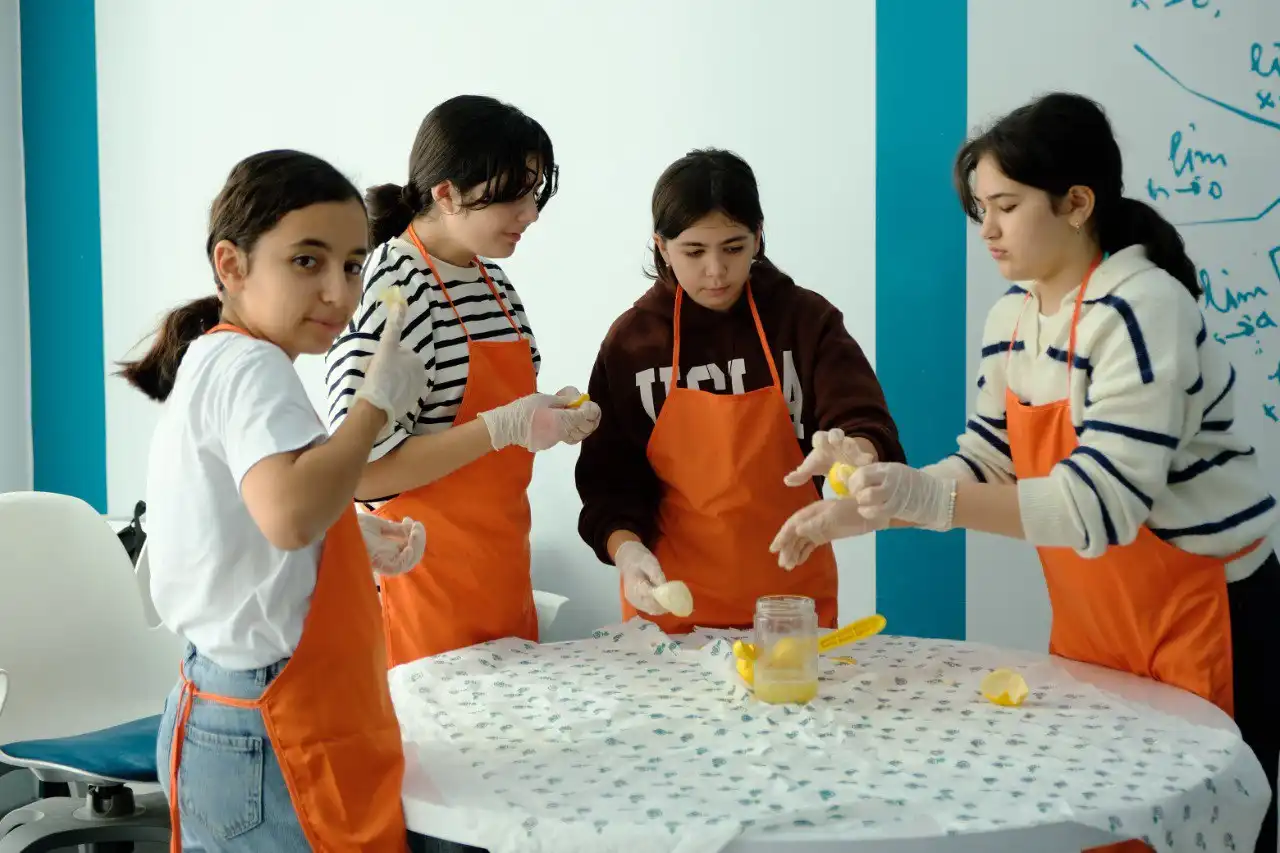
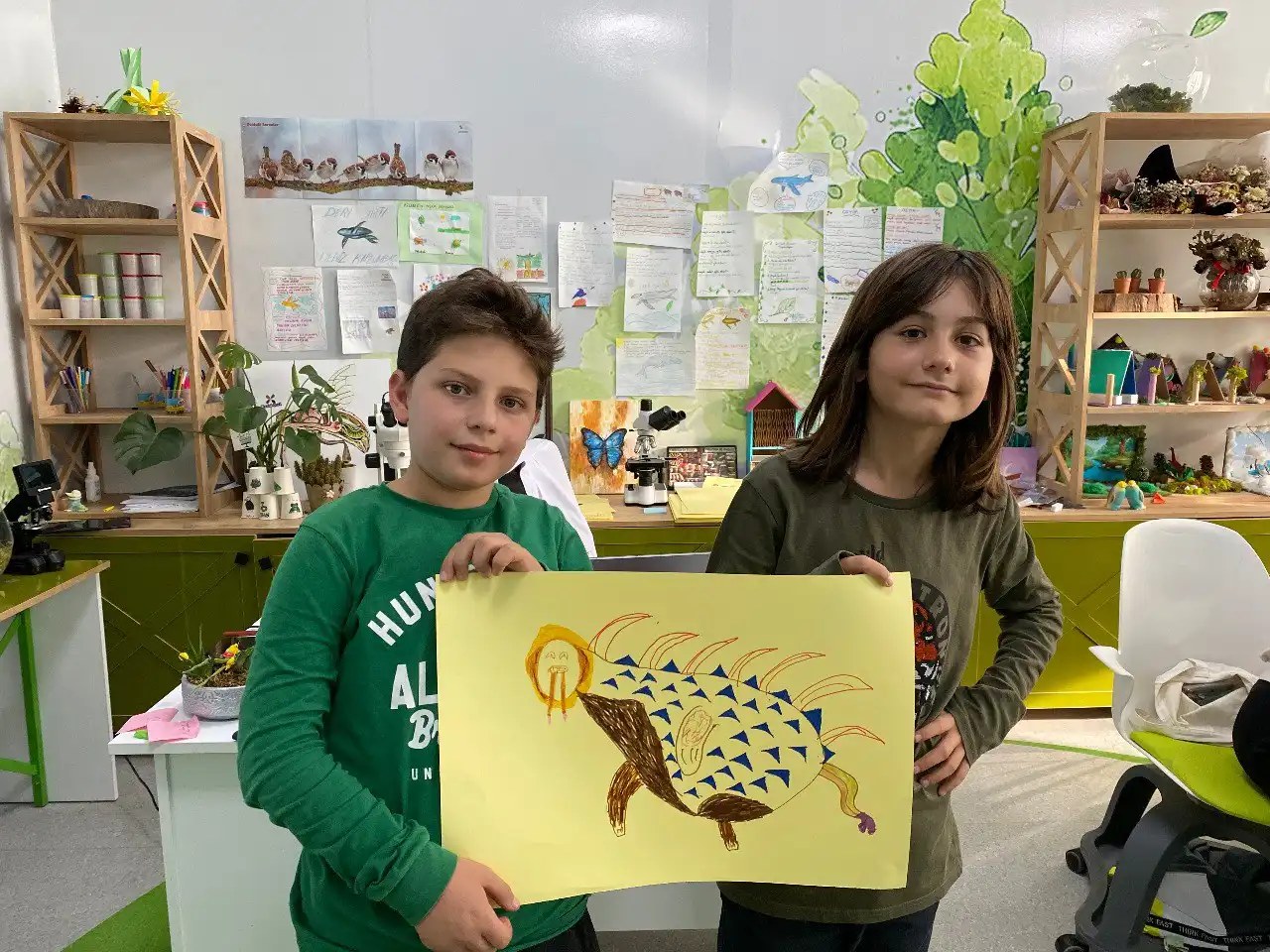
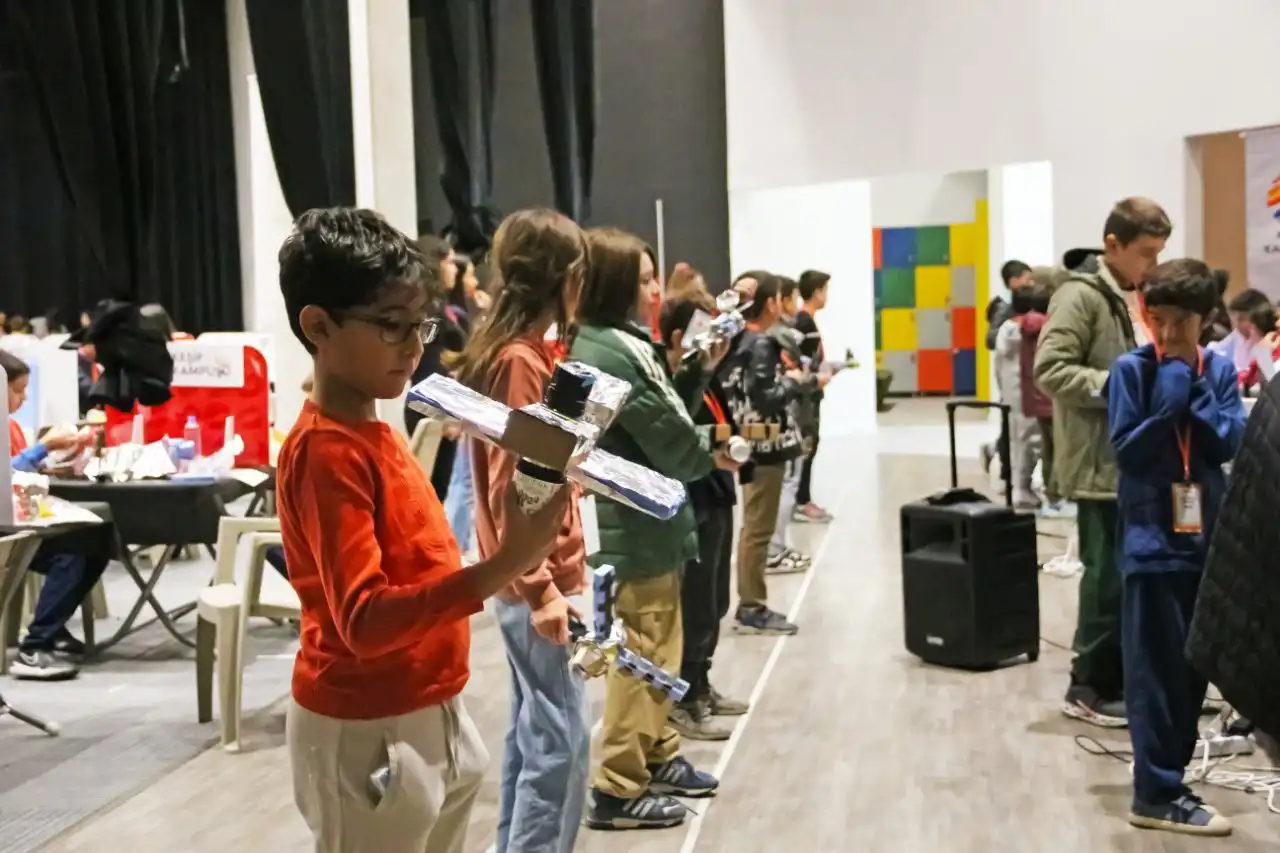
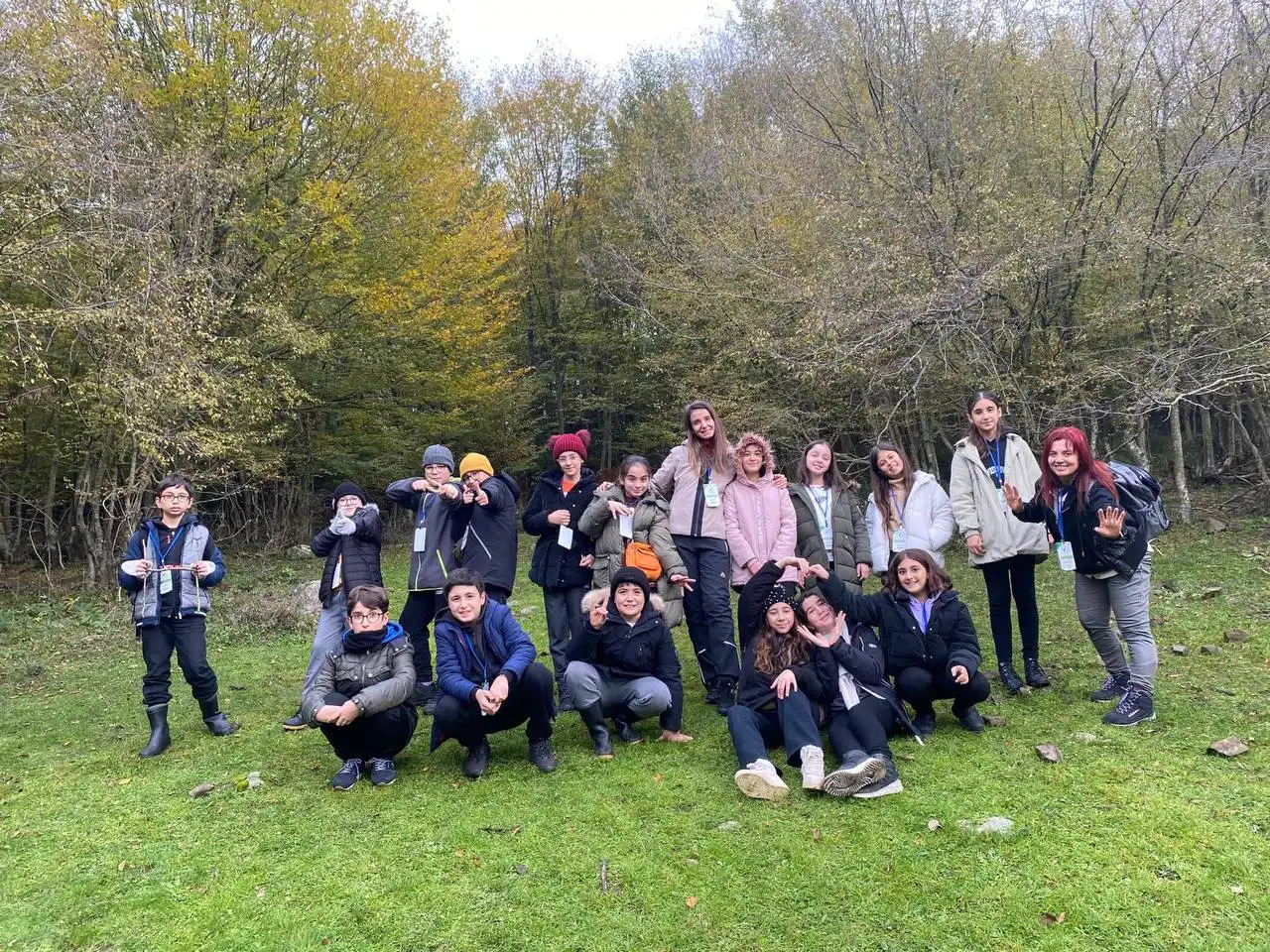
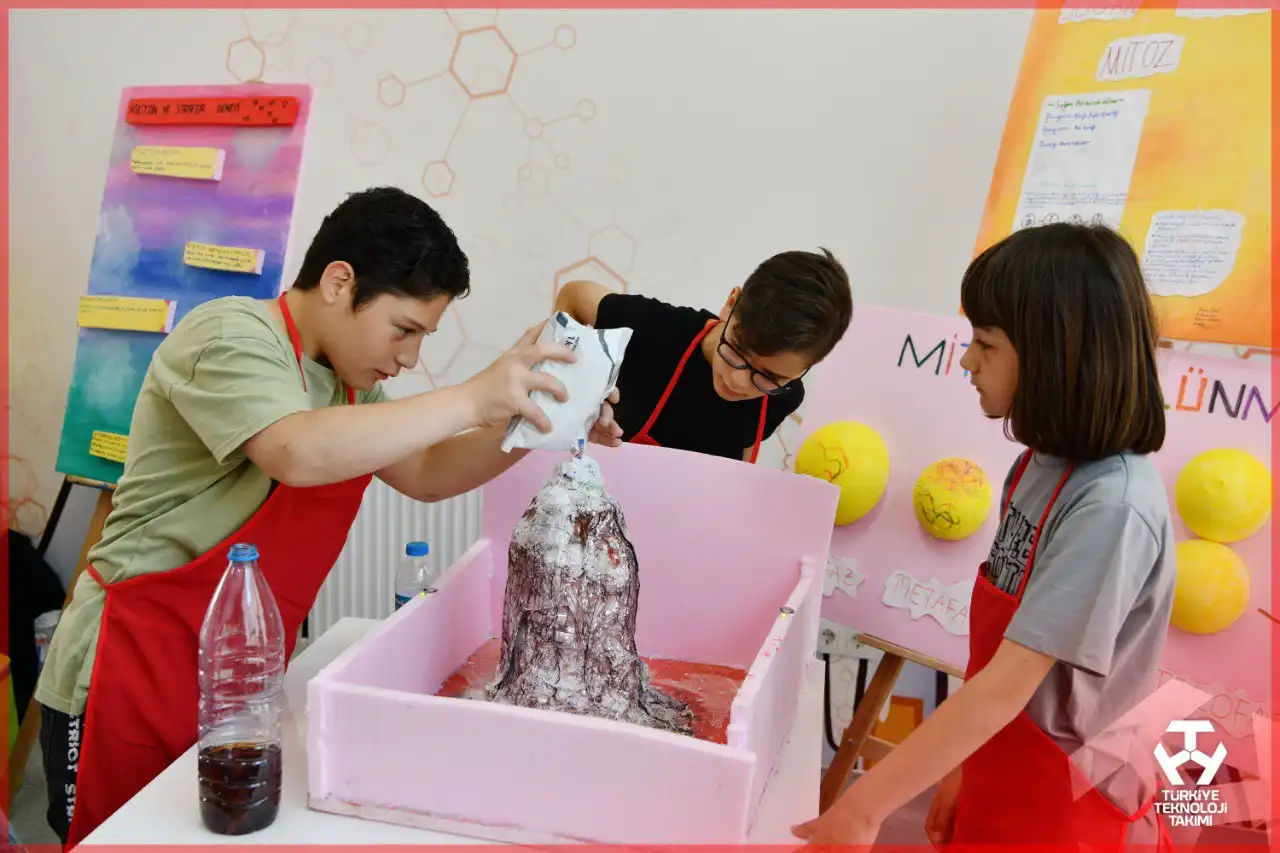
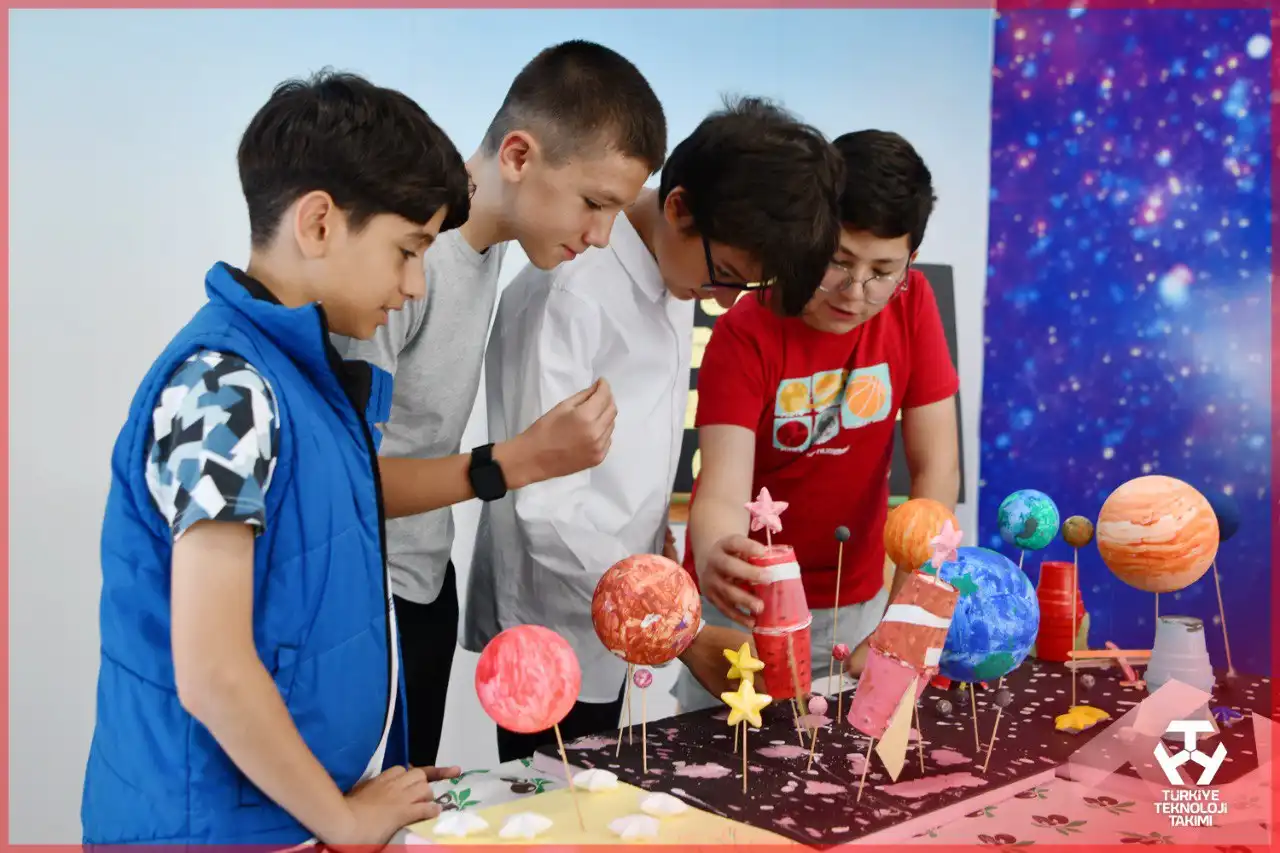
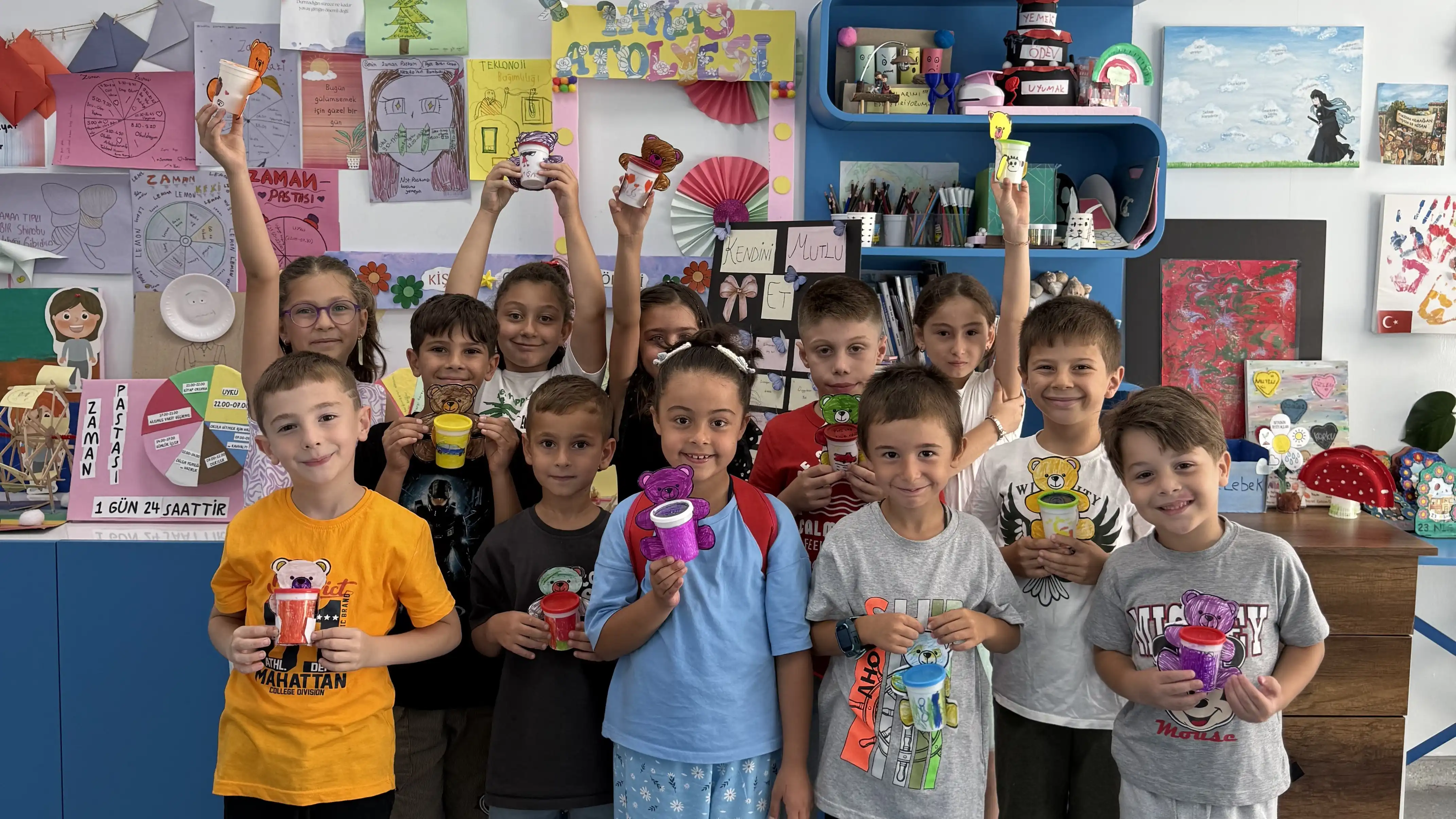
Trainings at Keşif Kampüsü are delivered in a hands-on, discovery-based format through science camps, technology camps, and workshop programs for children. The content is structured around eight thematic areas: Nature, Physics, Human Sciences and Chemistry, Technology, Mathematics, Astronomy, Aviation, and Space, Personal Development, Supplementary Trainings (Art, Music)
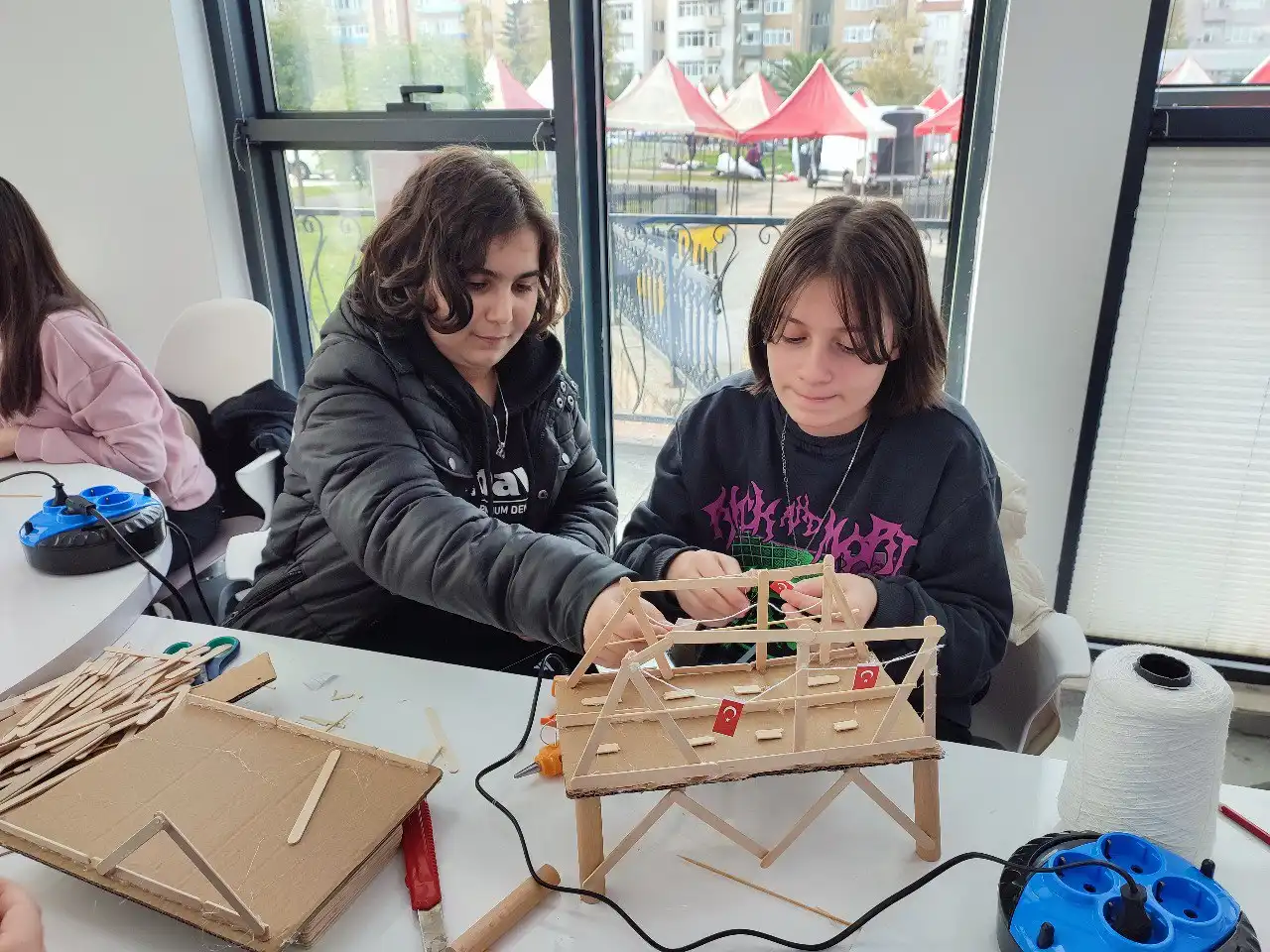
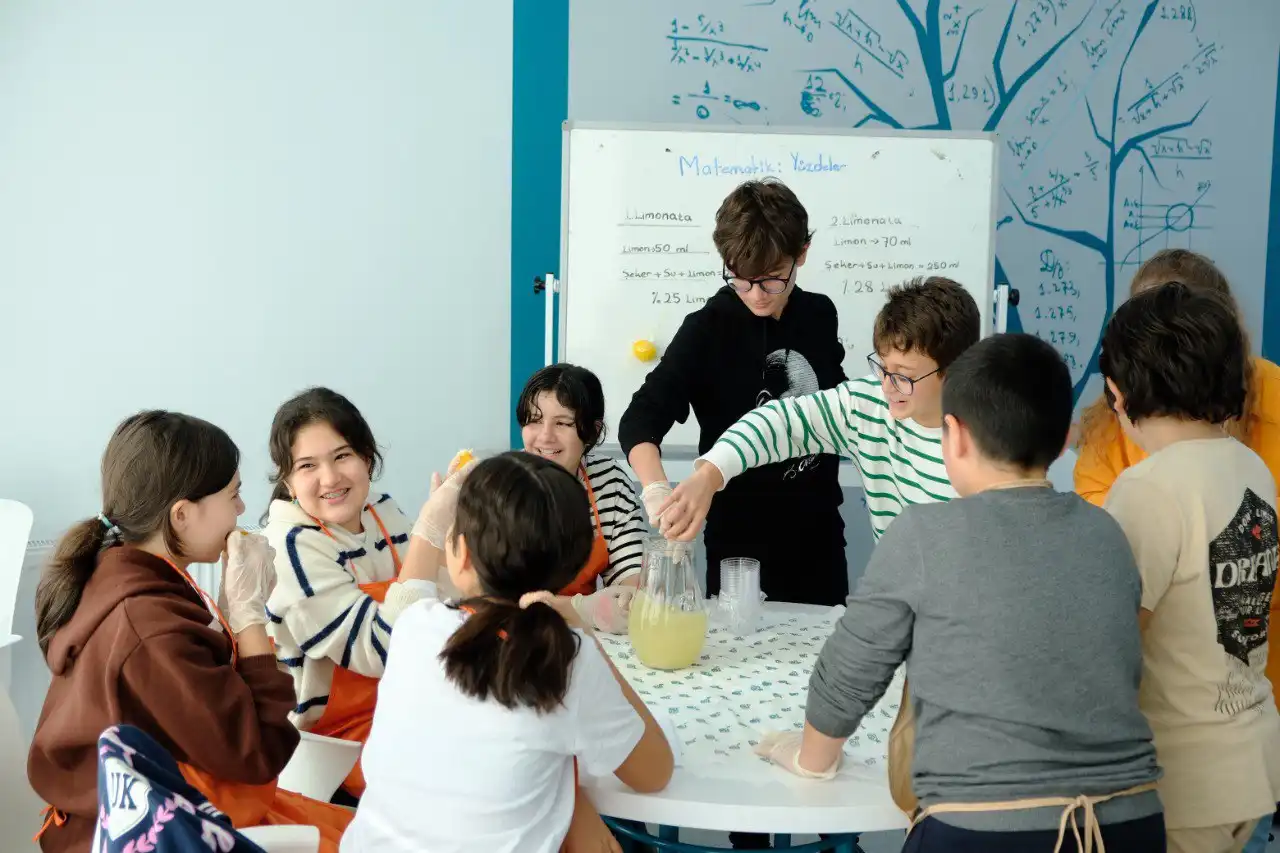
Workshop trainings are supported through experiment setups, exploration areas, and applied activities, enabling abstract concepts to be made concrete. In addition, the campus also includes a DENEYAP Makers Labs.
Who Can Participate?
Keşif Kampüsü is designed for children aged 6 to 14.
On weekdays, school groups consisting of students in grades 1 to 8 can participate. On weekends, students selected through an exam can benefit from Keşif Kampüsü trainings. Programs are planned with age-appropriate content, offering learning opportunities aligned with each student’s developmental level.
Program Structure and Implementation Process
At Keşif Kampüsü, trainings are offered free of charge over two years within a unique curriculum totaling 384 hours. The education model consists of two main components:
Weekday Education Model: Based on the “A Different Day in Education” approach, this model involves school groups visiting the campus on designated dates and receiving full-day training in workshops and exploration areas.
Weekend Education Model: This is a spiral curriculum education model in which 4th and 5th grade students who succeed in the e-exam and project exam participate regularly on weekends for two years.
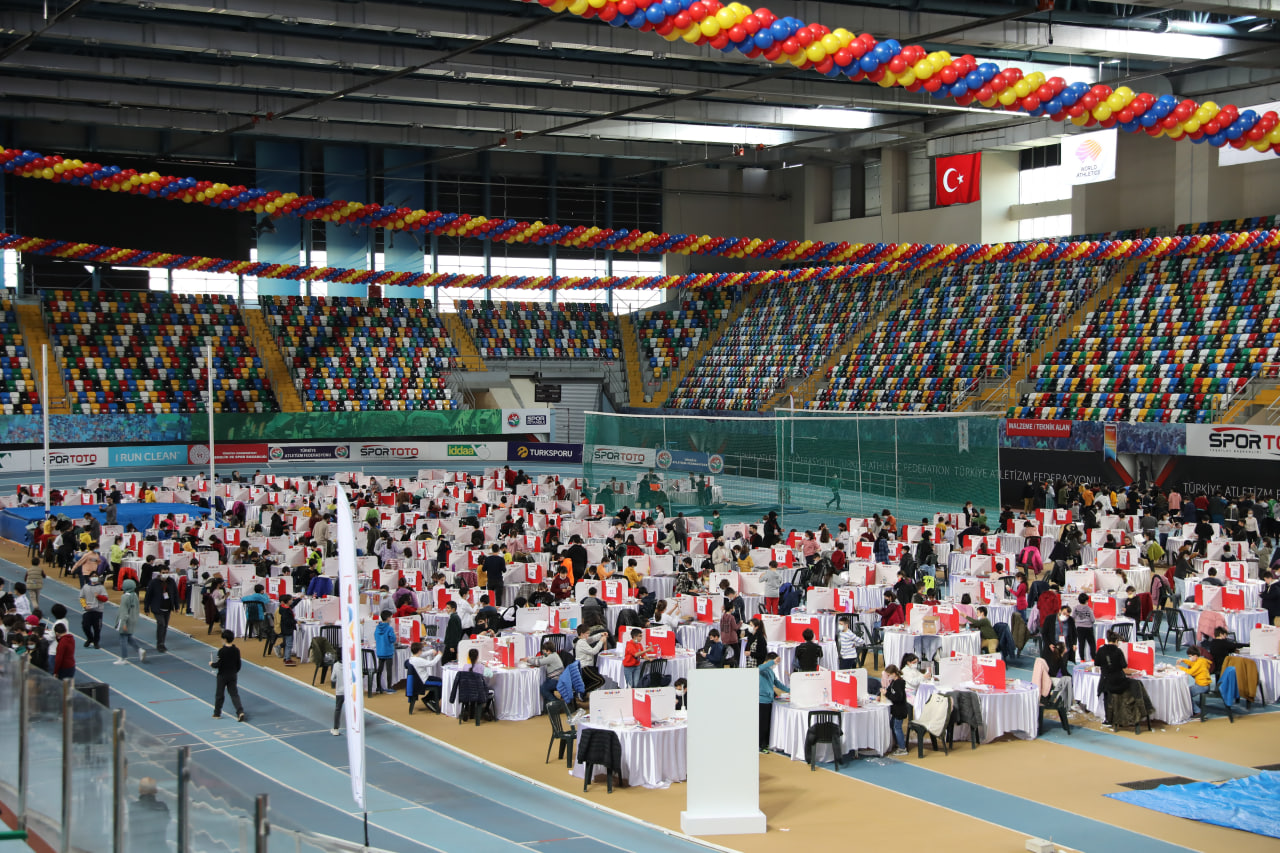
The admission process consists of e-exam and project exam stages and is conducted in a manner open to applications from all eligible students in the province where the campus is located.
Outcomes and Benefits of the Keşif Kampüsü
Beyond increasing students’ interest in science and technology, Keşif Kampüsü aims to develop key skills such as problem-solving, analytical thinking, collaboration, creativity, and self-confidence.
Exploration areas designed alongside thematic workshops enable students to reinforce what they learn through hands-on experience. As a result, children develop not only as learners of knowledge but also as individuals who question and produce. Keşif Kampüsü brings to life a children’s university vision that connects science and technology with children, the building blocks of our future, aiming to create long-term impact.